India engineering talent market: what changed in 2026
Comp bands, movement patterns, and the roles that are quietly getting harder to close.
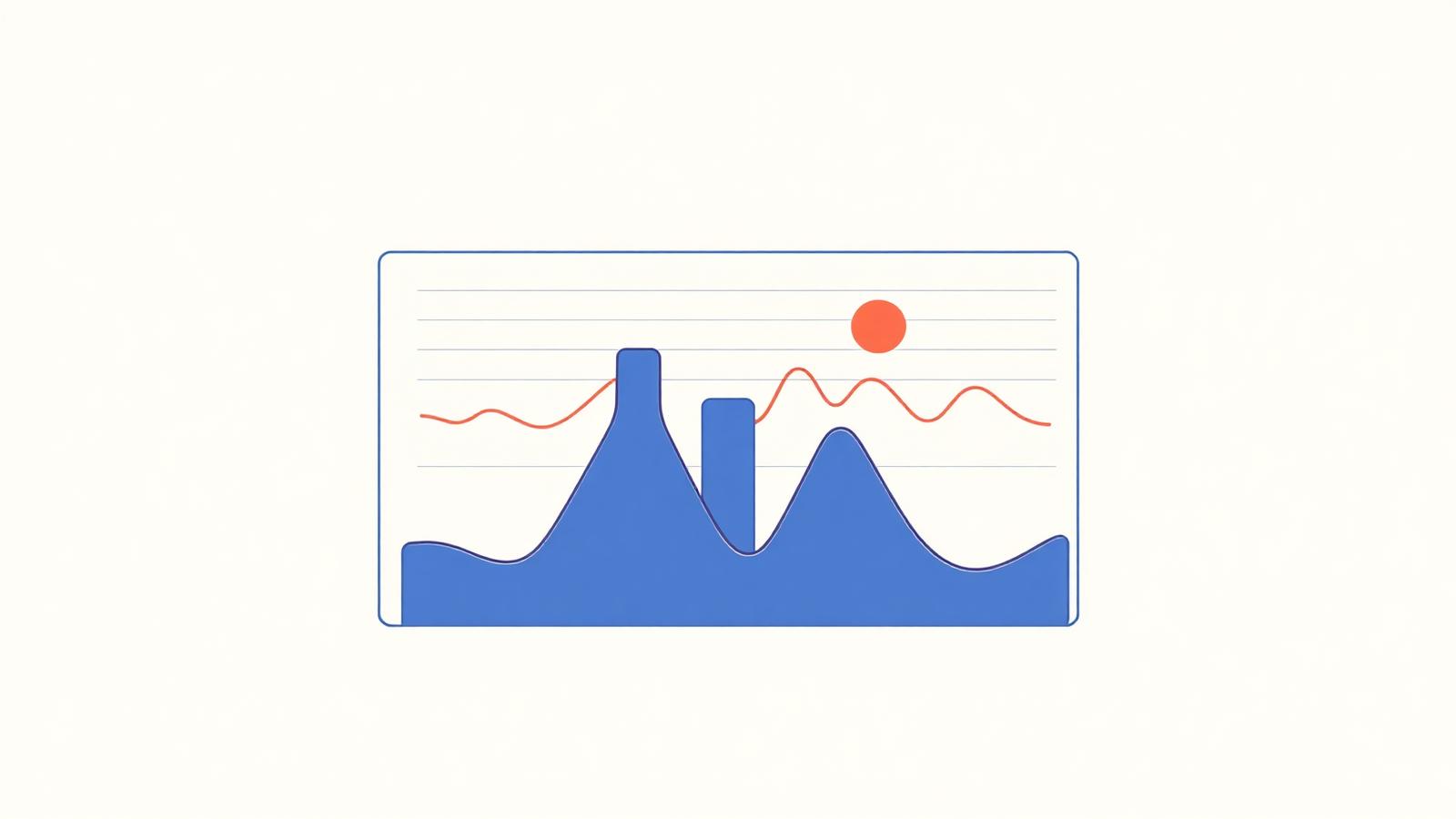
We map roughly 40,000 senior technology professionals across India each quarter. The 2026 data shows a market that looks quieter on the surface than 2022 and is structurally harder to hire in. Volumes are down, but the roles that are open are meaningfully more competitive.
Comp bands have stopped inflating, but the ceiling has moved
Median compensation for senior IC engineers in Bengaluru is flat year on year for the first time since 2019. What changed is the top of the band: the 90th percentile has moved up 22%, driven almost entirely by AI infrastructure roles at a small number of well-funded companies. If you are hiring for those roles, the market you are in is not the median market.
Movement patterns have shifted from GCC to product
- GCC-to-GCC moves fell 31% year on year as compensation converged.
- GCC-to-product moves rose 18%, driven by a maturing product ecosystem in India.
- Startup-to-startup moves fell 24% as the funding environment normalised.
- Startup-to-enterprise moves are becoming a more visible pattern in technology hiring.
The roles that got quietly harder
Three categories are now materially harder to close than the market realises. Senior ML infrastructure engineers with production LLM experience — under 900 in India by our count, and 60% not open to conversations. Staff-level platform engineers with multi-region cloud scars — supply constrained by the small number of Indian companies that operate at that scale. Product-minded engineering managers who have shipped consumer products at scale — a supply issue that predates 2026 and is not resolving.
What this means for hiring plans
Requisitions in these three categories should be planned with a 12-to-16 week time-to-hire, not the six-to-eight week baseline most talent teams still assume. Attempts to compress the timeline result in one of two outcomes: the role stays open longer, or the bar quietly drops. Neither serves the team.
"The Indian tech talent market in 2026 is not softer. It is more segmented, and the segments do not behave like each other."