The 15-minute debrief that decides most of your hires
Panellists write independent reads before the debrief, or the debrief becomes a popularity contest. Here's the protocol we use.
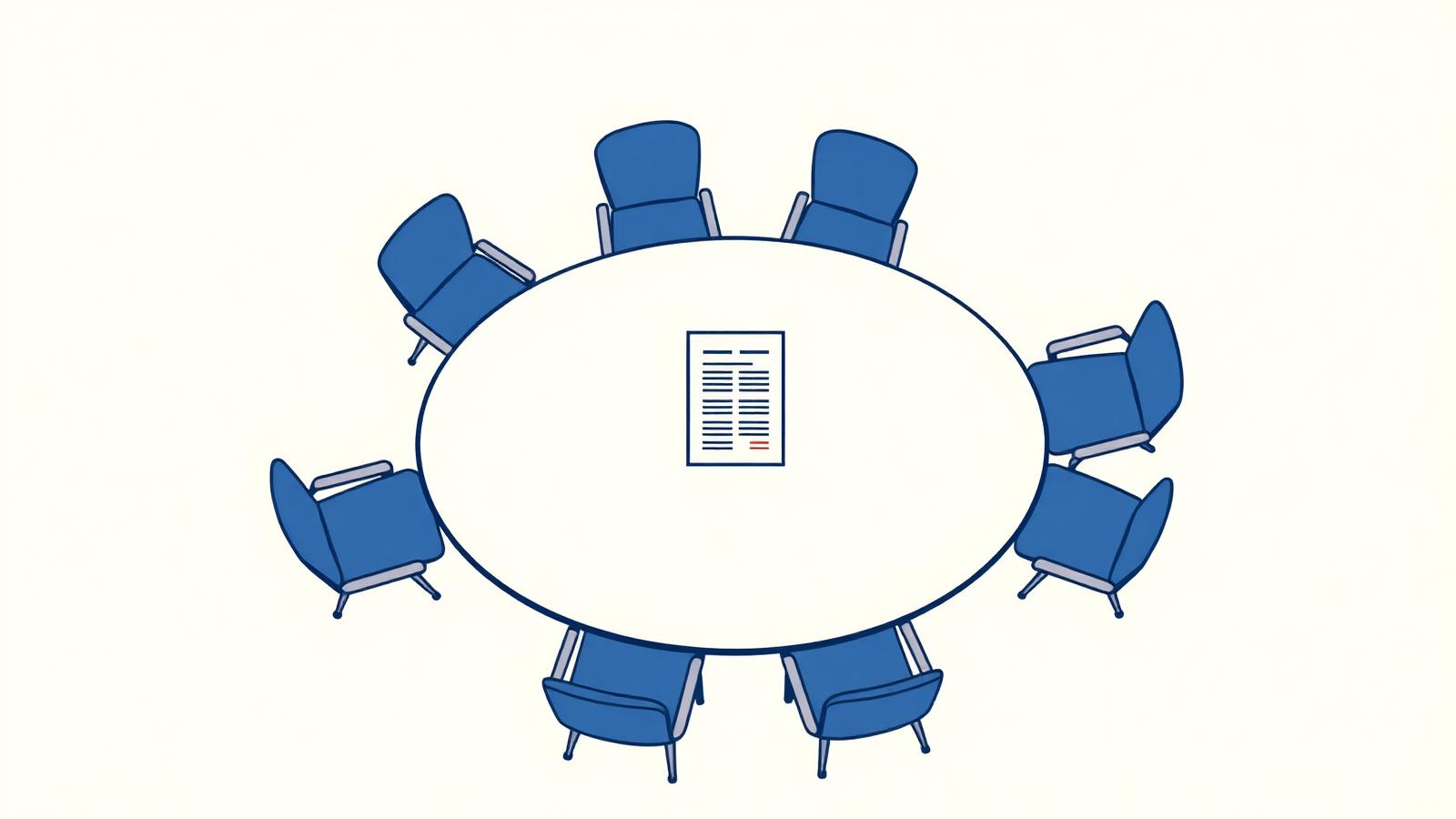
The debrief is the meeting where hiring bars die. Someone senior speaks first, someone junior adjusts their read, and by the end of fifteen minutes the room has manufactured a consensus that no individual would have written down on their own. Then the hire underperforms and everyone is surprised.
The independent-read rule
No debrief begins until every panellist has submitted a written read: hire / no hire, one sentence of rationale, one specific signal they observed. Submitted in writing, in a channel everyone can see, before the meeting opens. This one rule eliminates roughly 80% of the anchoring problem.
The structure that follows
- Read the written verdicts aloud in reverse seniority order. Junior voices go first, always.
- Discuss disagreements, not agreements. Time is finite; three yeses do not need debating.
- Name the risk out loud. Every hire has one. If no one can name it, the panel didn't probe hard enough.
- Decide, don't defer. 'Let's bring them back for another round' is usually a no in disguise. Say the no.
What to do when the panel is split
A 3–2 split is not a mandate to hire on the strength of the majority. It is a signal that the loop did not test the right thing. Either add one targeted round designed to resolve the specific disagreement, or pass. Never hire hoping the risk resolves itself in onboarding.
"The best hiring managers we work with are boring in debriefs. They ask three questions, restate what they heard, and decide. Meetings that feel exciting usually produce regrets."